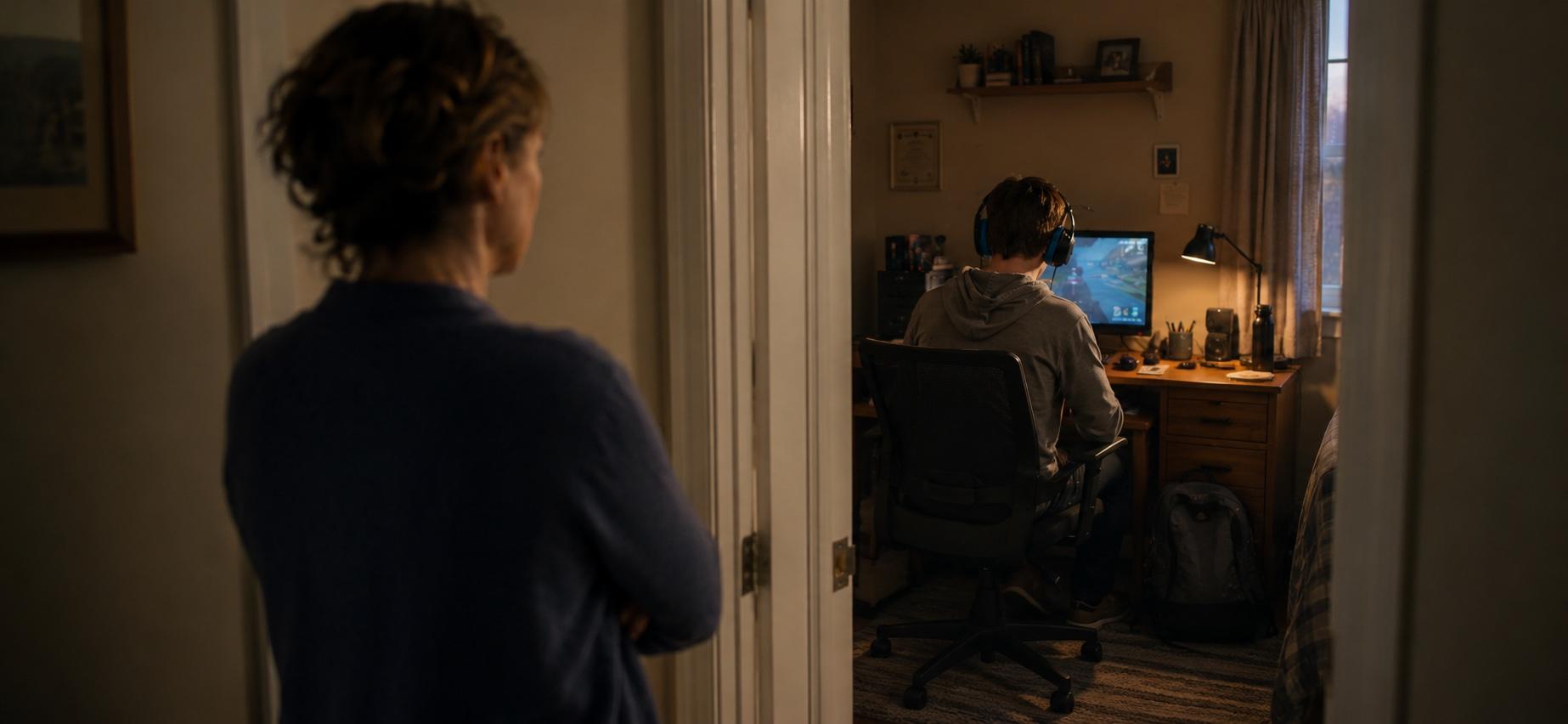
When the crowded room is the hard part
Are video games good for autistic kids, or for any kid who finds a crowd hard? They can be where a quiet kid finds friends.


Short answer: Video games can be good for autistic kids, and for any kid who finds a crowd hard, when the setting is right. In a 2014 survey, autistic people said communicating online gave them more understanding and more control (Gillespie-Lynch et al.). For some kids, the friendships made that way are real. I think what makes the difference is the setting: the same people every week, an adult who can hear, and a set end time. I was an anxious kid, and online was the one place I could talk.
What if my kid wants friends but not the crowd?
I'm Karlin. I run EKUZO, where we coach video game teams that kids ages 9 and up play on from home.
This fall we planned a big in-person event. One of our university partners has a great venue, the League of Legends world finals were on, and the plan was a watch party. Our kids would play a match against another EKUZO team, then stay and enjoy the party together. I figured it would be a slam dunk.
Then one dad was honest with us. Seeing his teammates was worth the trip for his kid. The venue was the obstacle: a big crowd, all ages. He'd have preferred a pizza party at someone's house.
It was the right idea for many kids, but not for every kid. We didn't hold it.
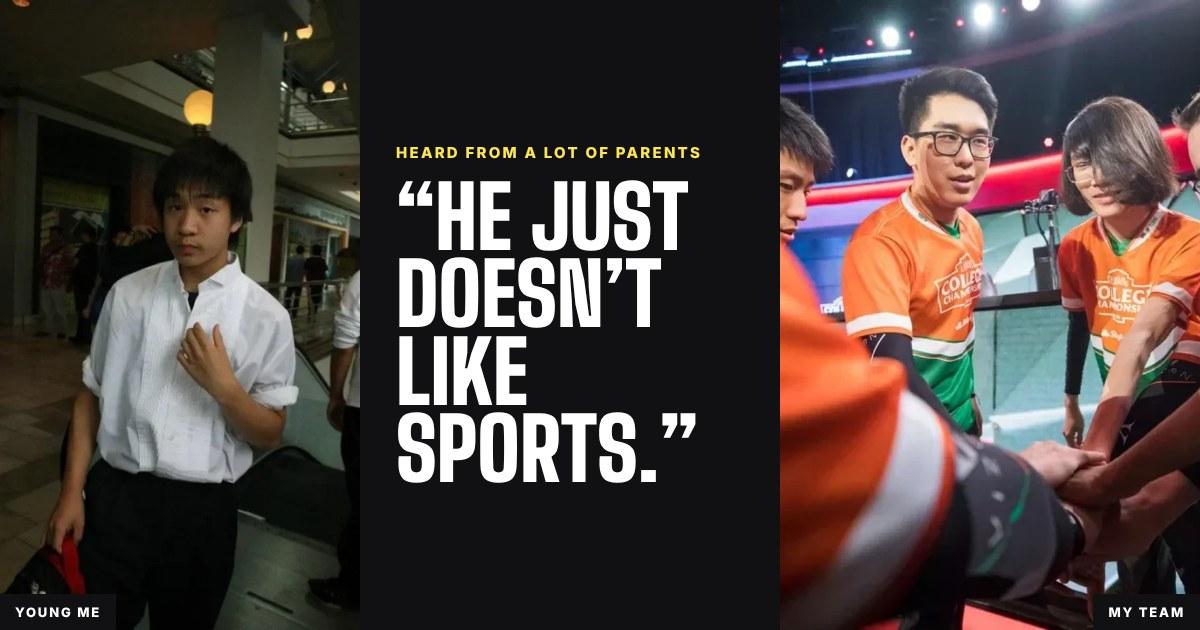
I should have known. I was that kid: an introvert, anxious enough that my mom ordered for me at restaurants. Online was the one place I could talk. I told more of it in my post on the gaming study everyone shared. So I notice it every time a parent tells me their kid is someone else once the headset goes on.
A kid can want the friends and the team and still not want the crowd. Plenty of kids are like that. For them, home can be the room that works.
What did researchers find in Autcraft, a Minecraft server for autistic kids?
Researchers spent 16 months inside Autcraft and found a place set up to be free of bullying, with rules enforced by volunteer admins, where members practiced being social by building together (Ringland et al. 2016).
The kids were doing something they loved, with other kids, in a space an adult was looking after. A video game gives a kid something to talk about. "What do we do?" is an easier place to start than "What do I say?"
That research travels. Just about every parent wants their kid to be seen, safe and successful, in their own way, for their own situation. A well-run online space can help a quiet kid, with or without a diagnosis, with all three.
What does a video game team add for a quiet kid?
On a server like Autcraft, kids build together. That's a good start. A team asks for more: the kids count on each other.
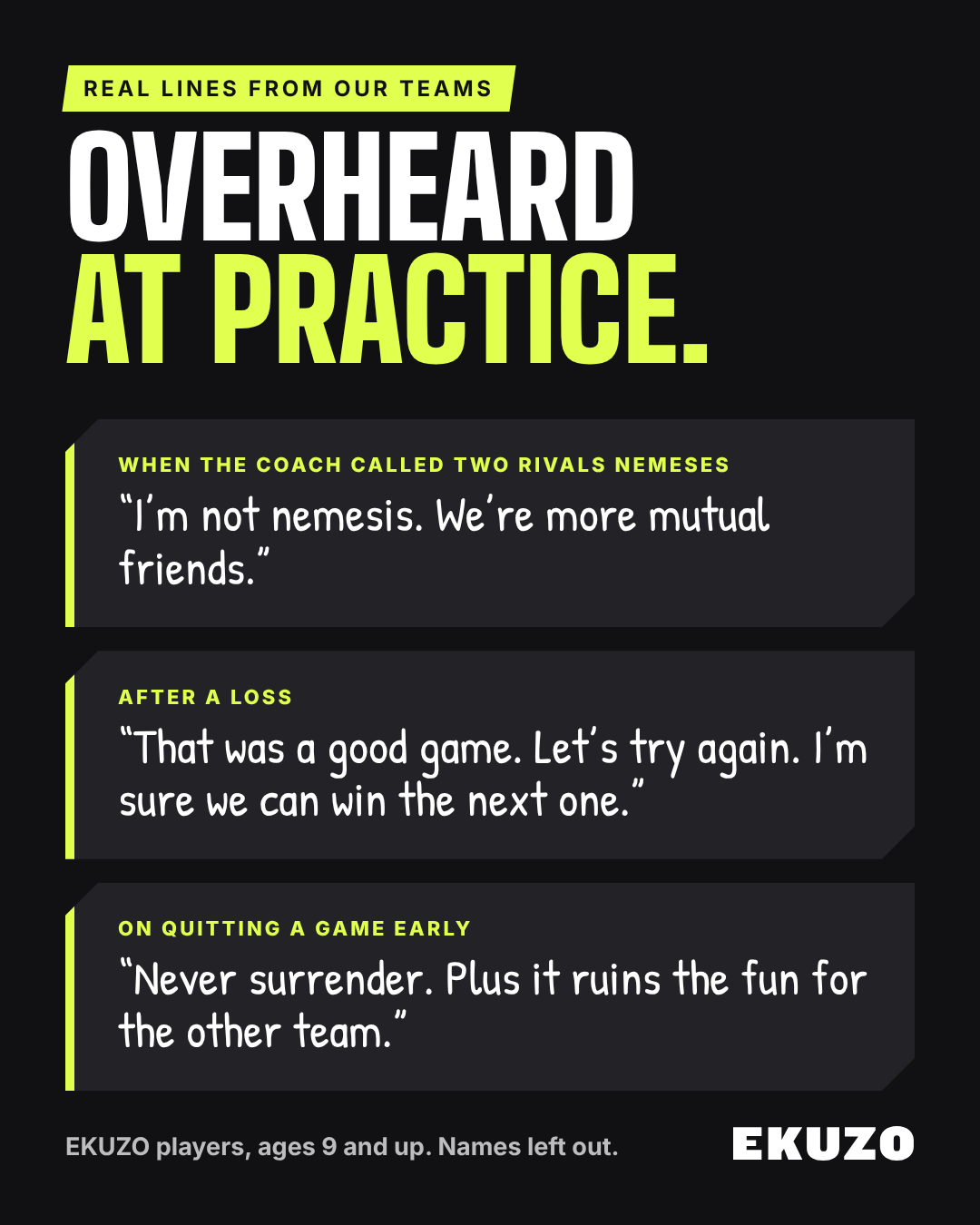
Everyone has a job, and the team works out the plan together. Kids speak up, back each other up, and sooner or later someone makes the call for the group. After a rough game, the team picks each other up. That's a kid making friends, and it's a kid growing.
It's what parents hope a sport will give their kid, and a quiet kid can get it from home. So when your kid lights up about a video game, lean in.
Every kid should get a team, including the one who would never walk into a crowded gym. More on what a team gives a kid.
How do I tell if online play is working for my kid?
The American Academy of Pediatrics' 2026 guidance gives families its "5 Cs" to think through (AAP). Here's my own list, five things you can check without understanding the video game:
- Same people. Does your kid play with the same handful of names week after week?
- The names come up. When you ask how it went, do you get names and details? "Good" and "fine" don't tell you much. Who made the play, what was funny, who they want to play with again. Hearing "we" is a good sign your kid belongs somewhere.
- An adult can hear it. Is there a grown-up who can hear the voice channel or read the chat, or at least someone you know running the space?
- Endings get easier. Once it's a routine, is stopping getting easier? If it's the nightly fight, here's how to get your kid off the game without one.
- The rest still fits. Are sleep, school and the offline things your kid loves still there?
If most of those are yes, that's a good sign. If most are no, look at who your kid plays with and how sessions end before you take the game away.
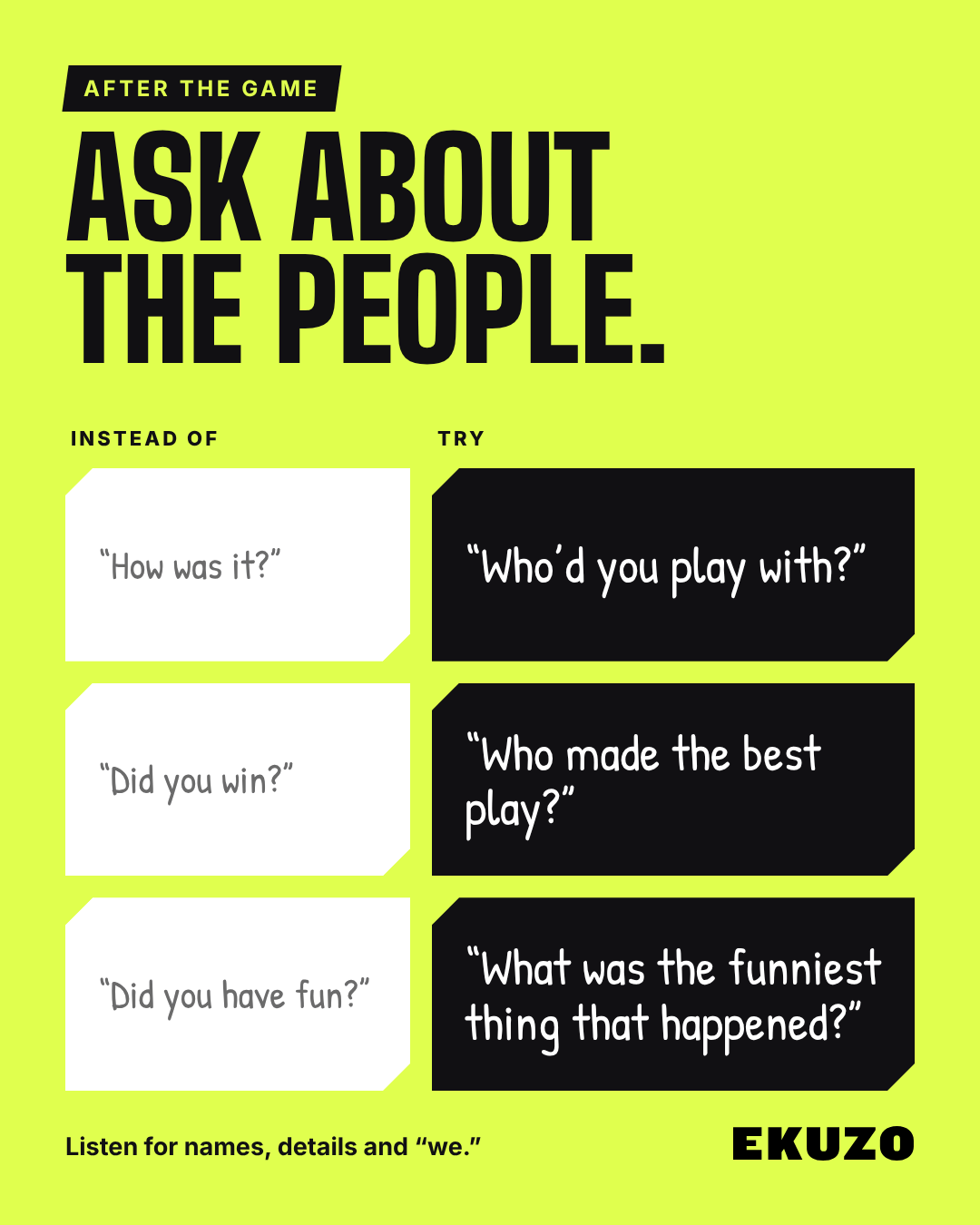
Two of those checks carry extra weight. Studies find autistic people are at higher risk of being bullied (Trundle et al. 2023), and boys who are autistic or have ADHD are at higher risk of problem video game use (Mazurek and Engelhardt 2013). So who your kid plays with and how play ends matter most. Those are two things we built EKUZO around.
What is EKUZO, and who does it fit?
EKUZO is coached team play for kids ages 9 and up: teams of five, the same teammates every week, a coach on the call, a set start and end, and everyone plays from home. The coach is usually a college player who's good at the game and trained to lead a group and keep it safe. Kids look up to them. Our teams play League of Legends, and most kids start from scratch. We built it for every kid, and we think those choices suit a quiet one well.
Everything starts online. Teams practice every week and play other EKUZO teams. In-person comes later, at city events and a once-a-year showcase where kids can meet their friends. It's always optional, and we keep that dad's feedback in mind when we plan one.
If that sounds like something your kid could use, Season 01, our coached team season, starts in January.
Common questions
Can video games help a quiet or shy kid make friends?
Video games can help a quiet or shy kid make friends. They did for me: I was an anxious introvert, and online was the one place I could talk. A video game gives a quiet kid something to do with other people, and a reason to talk. Look for the same few names over months, and an adult who can hear.
Are video games good for autistic kids?
Video games can be good for autistic kids, in the right setting. Researchers who spent 16 months inside Autcraft, a Minecraft server for autistic kids, found members practicing being social by building together (Ringland et al. 2016). In a 2014 survey, autistic people said communicating online gave them more control (Gillespie-Lynch et al.). I think who they play with, and whether an adult can hear, counts for more than the hours.
Is Minecraft good for autistic kids?
Minecraft can be good for autistic kids, and I think how the server is run matters more than the game. Researchers spent 16 months inside Autcraft, a Minecraft server for autistic kids with rules and volunteer admins, and found members practicing being social by building together (Ringland et al. 2016). An open public server is a different setting.
Which video games are best for autistic kids?
The studies here point to the setting more than the title. Autcraft is Minecraft, and what made it work was the rules and the adults. I look for three things: a healthy group to play with, a fantasy world over real-life scenarios, and a video game with enough depth to grow into. It doesn't need to be simple. That's part of why we coach League of Legends.
What does a team add that Minecraft doesn't?
A team adds kids who count on each other. On our teams, a kid has a job, a plan to work out with teammates, and people who pick them up after a rough game. It's much of what parents hope a sport will give their kid.
Is it okay if my autistic kid only talks to friends online?
It can be. A good sign is the same few names over months, names that come up with details, plus some offline anchor, even a small one. A warning sign is new strangers every night, or an ending that keeps getting harder. I wrote more in when your son's only friends are online.
Sources
- Gillespie-Lynch et al. (2014). Intellectual and Developmental Disabilities 52(6):456. https://pubmed.ncbi.nlm.nih.gov/25409132/
- Ringland et al. (2016). Autcraft, ACM CHI. https://scholarworks.iupui.edu/bitstream/1805/15782/1/Ringland_2017_will.pdf
- Mazurek and Engelhardt (2013). Pediatrics 132(2). https://pubmed.ncbi.nlm.nih.gov/23897915/
- Trundle et al. (2023). Trauma, Violence and Abuse. https://pubmed.ncbi.nlm.nih.gov/35524162/
- American Academy of Pediatrics (2026), media recommendations. https://www.healthychildren.org/English/news/Pages/creating-a-child-friendly-digital-world-AAP-releases-new-media-recommendations.aspx