Every move wiped their friend map. Gaming was the community that traveled.
I grew up through gaming. She's a military mom who banned Fortnite. We spent 48 minutes agreeing with each other.

Howdy. I’m Muhammad. I’m a rising senior at Texas A&M, and I coach kids in League of Legends for a youth esports startup called EKUZO. My internship this summer comes with a listening project: I sit down with parents, ask about gaming and screens, and try to find the gap between what they see and what their kids are living. I’m an English major, so getting to write the stories down is my favorite part.
The first parent I got to sign up was a senior Air Force officer. Casey is a pilot by background, already deep into what’s next for her: researching resilience in military families. She’s an Aggie, a mom of two boys, and the parent who banned Fortnite.
The conversation got real before I’d finished my own introduction. Her research and my project kept overlapping, and two minutes in I heard myself say we might be like “two sides of the same coin.” Then she told me about a military member she knows who lost his wife, and how it was his online gaming community that carried him through it, more than anyone in person. Gaming is where my own social life came from. I knew exactly what she was describing.
She called it chair flying
Take flight simulators. I brought them up half expecting an actual pilot to laugh at me. Instead the pilot took over from the mom. She told me about chair flying, the discipline where military aviators rehearse a flight before they ever touch the aircraft: “mentally walking through every step you’re going to take in order to practice.” A simulator, she said, puts your mind in the environment. I’ve done a version of that before every ranked match of my life and only ever called it practice. I’m stealing her word. Chair flying sounds a lot more serious.
Her whole world runs on the same idea. The Army fields an official esports team, the Navy stood one up by official message, and Air Force Gaming is the Air Force’s own program for Airmen and Guardians. Casey’s read on why the branches built those: “because of the strategy involved.” The idea that games rehearse real judgment is old news in her world, old enough that there’s a budget for it. She’s even loosely connected to a research task force at work that teaches wargaming alongside PhDs who study games.
She’d done the reading, too. Her resilience research keeps leading her back to childhood, to the idea that the strength you need as an adult gets built or broken years earlier. She quoted Jonathan Haidt’s The Anxious Generation so often she apologized for it, then assigned it to me as homework. I’ve started it. So when she got to her own boys, none of it was theory.
The game that had its purpose
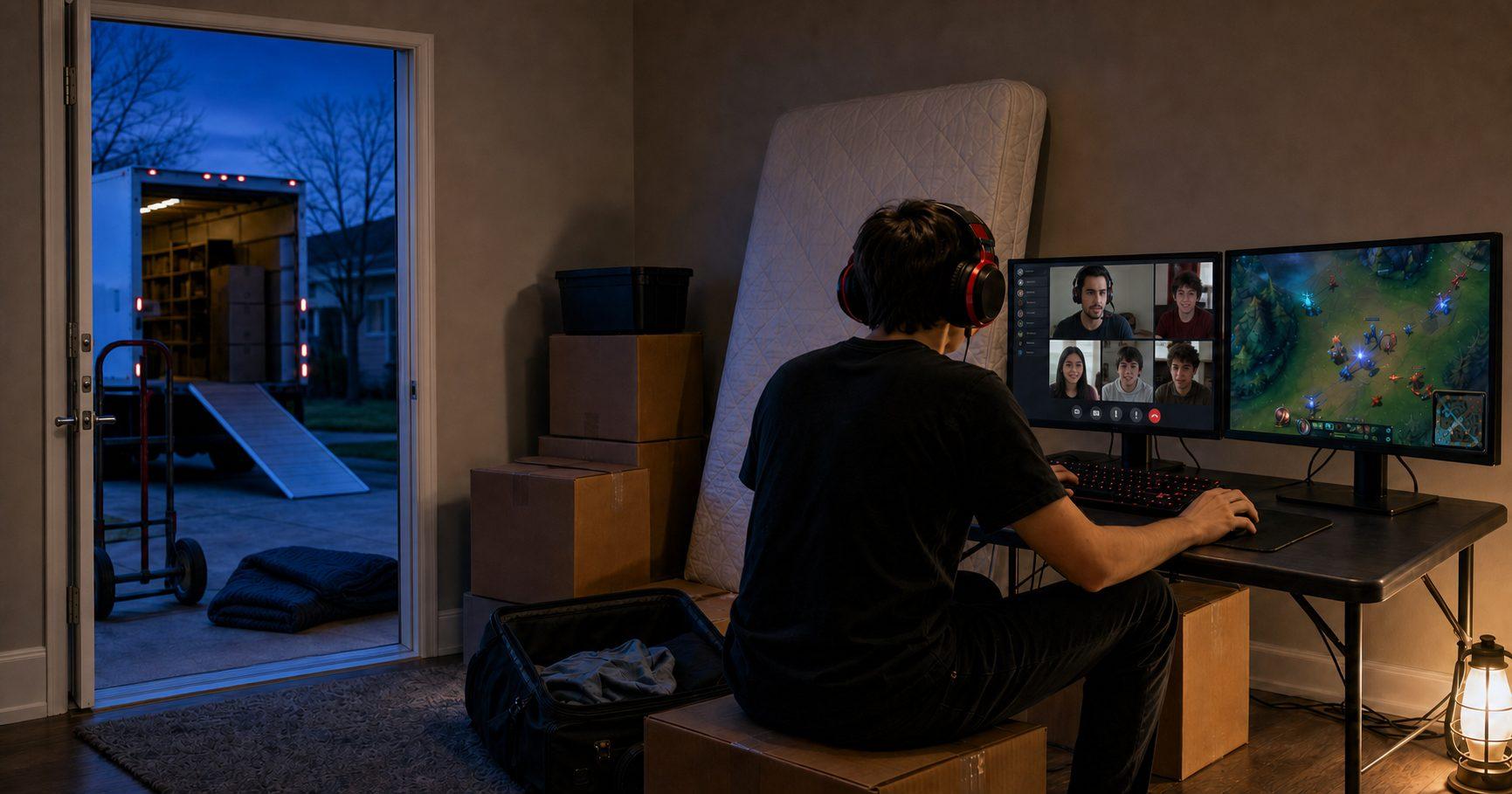
According to a 2019 National Academies report, military kids change schools 6 to 9 times between kindergarten and graduation, about 3 times more often than their civilian peers. Each move wipes the friend map clean, and the communities that survive are the ones that travel.
Casey’s boys lived that statistic. Her family, in her words, “would bounce all over the world,” and one of those bounces dropped the boys overseas right as COVID hit.
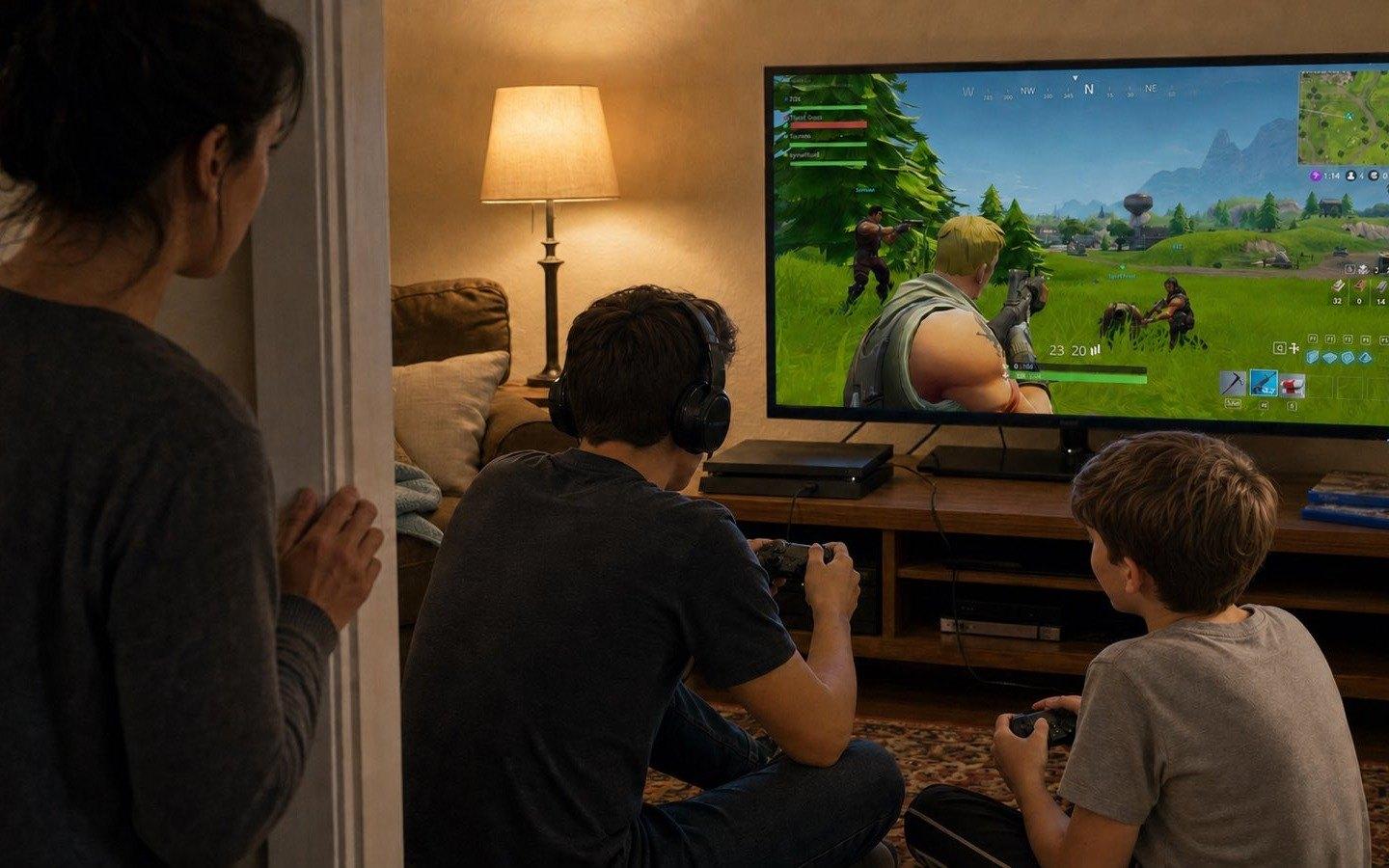
Fortnite was where the people were. An entire ocean from every friend they had, locked down, her boys needed a community that could still reach them. She made a call she can still defend and still hates: she gave them the game. Her line about that season is one I keep repeating to people: “Fortnite, even though I think it’s the devil, had its purpose.”
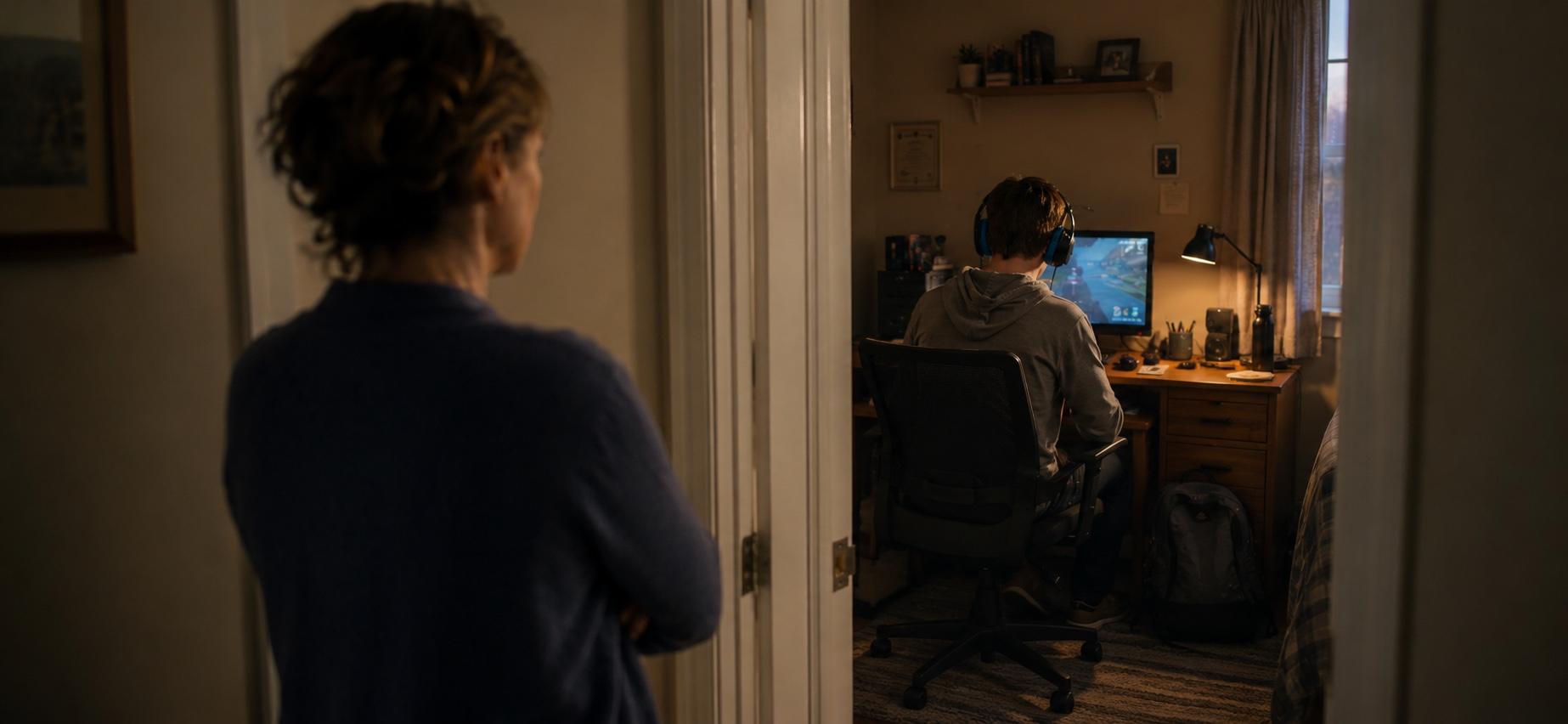
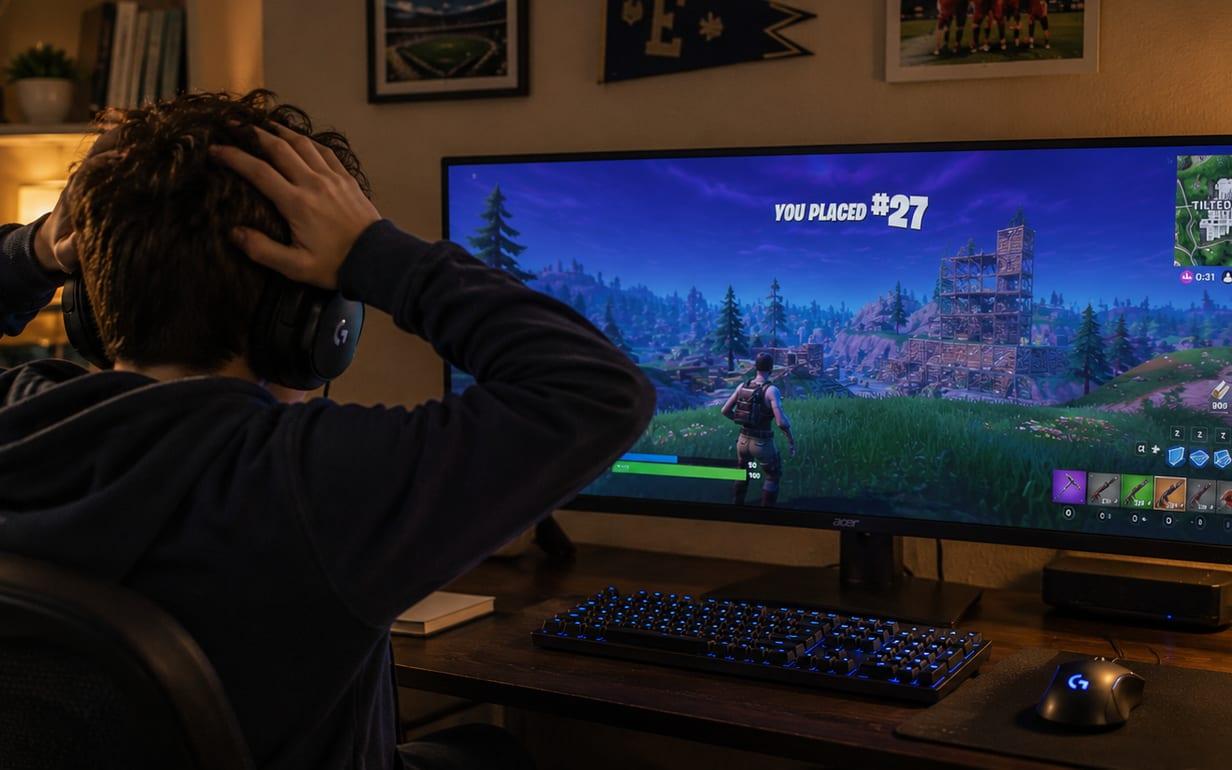
The purpose didn’t last. Her younger son’s behavior started bending around the game, and grounding him from it just made the game the center of everything. So the family banned it outright. She summed up what came next in one breath: “Oh, [my son] is back.”
What she did after the ban got big enough that I wrote it up as its own post, starting with the name she coined for what the game was turning her teenagers into: Fort-Holes. The short version: the game had been doing more jobs in her house than anyone realized, and she still sees value in gaming where there’s structure and an adult in the room.
Her bar for organized gaming
When I asked what’s important to her in structured gaming, she brought up two things. The first was the adults: “Do they have training on coaching... or is it just some folks who are good at esports? There’s a big difference.” She wants a trained adult in the room, someone watching how the kid develops, with the gameplay as the smaller part of the job. The second was the money. Who pays for this? She wanted to know whether an academic or ethical body stood behind a program, or whether the gaming industry was funding a way into younger kids.
She never softened either question for me, which is why I trust everything else she said. I smiled at the first one, because she’d basically described my week coaching EKUZO 101: same small group, private server, a coach in the voice channel. The money one was even easier: we don’t have a sponsor; we’re a small, self-funded startup. She nodded. That was it.
Her kids are teenagers, mostly past our age range, and she wasn’t shopping. She’s an active-duty officer, and none of this is an endorsement of us or anyone else. And honestly, the questions weren’t even my big takeaway. What I walked away with was how much she already knew, and a challenge I’d never had to think about: rebuilding your whole world every time the orders drop. Military kids get the extreme version, but some version of it comes for a lot of kids anyway.
Where we landed
What stays with me is how often we arrived at the same place from opposite directions. She treats games the way her world treats any tool: use it carefully, because if you stop paying attention it starts using you. That’s the exact discipline the military applies to everything powerful it owns. She just brought it home. She watched what each game took from her boys and what it gave them, and she acted on what she saw, one game at a time. And she told me straight out that she doesn’t know if they made every call right. Somehow that made me trust her calls more, not less. I learned the same things from the inside, by playing. Two sides of the same coin.
I thought we’d finally found the thing we disagreed on. She’s skeptical that online play teaches real group skills at all: “at no point would you ever in a group dynamic yell and holler at the top of your lungs at somebody.” But the longer I sat with it, the more it sounded like agreement in different words. She was describing something gamers know so well we have names for it: crashing out, going on tilt. A kid mid-tilt isn’t learning teamwork; he’s just loud. Keeping your cool under pressure is a skill. Her world trains it on purpose, and talking kids down from the tilt is half of what coaching actually is. She’d already handed me a better word for my practice. This one is mine to hand back. Her deeper point is the one still open, for us and everyone else working on this: kids need real, in-person rooms too, and a server isn’t automatically that.
That’s the job as I understand it: a coach in the room for exactly those moments, so kids have fun, build some of that strength early, and walk away with friends and skills that go with them, wherever the next move lands them.
She told me the military community is “a little bit different” from the civilian one. After 48 minutes I believed her, and I believe it holds a lot more stories like hers: families who moved a kid across the world and watched a game be the thing that traveled with them. I want to hear every one of them.
If your family has one of those stories, whatever shape it’s in, put 20 minutes on my calendar. I’d like to listen.
Casey is a real parent sharing her real story, offered so yours can use it. Her surname, unit, and base do not appear here, by design.
Common questions
Can video games help children adjust after moving?
Games offer familiar friends, routines, and communities that remain accessible across moves. For Casey, her kids started a new game, Fortnite, and she admitted it served its purpose in giving social connection.
Are online friends enough when a child loses everyone in a move?
They are not a substitute for a room with people in it. Casey would say so first. Her sharpest point in 48 minutes was that kids need real in-person spaces too, and a server is not automatically that. What an online group does is survive the move. The same people who were there before the orders dropped are still there the week after, which counts for something when everything else in a kid’s life has just reset.
Does the military actually support gaming?
It funds it. Three service programs came up in our conversation: the Army’s official esports team, the Navy’s, stood up by official message, and Air Force Gaming, which is open to Airmen and Guardians. Casey’s read on why they exist was one line: “because of the strategy involved.” The idea that games rehearse real judgment is old news in her world, old enough that there is a budget for it.
Do video games teach anything that carries into real life?
Casey gave me the best framing I have heard for this, and it came from her flying rather than her parenting. Military aviators practice something called chair flying, mentally walking through every step of a flight before they ever touch the aircraft. A simulator, she says, puts your mind in the environment. Every ranked match I have played was preceded by the same mental walk-through. Games provide opportunities to practice communication, preparation, decision-making, and emotional regulation. But merely playing them does not automatically teach those skills.
What should I ask before signing my kid up for an esports program?
Two, and Casey softened neither. On the coaching: “Do they have training on coaching... or is it just some folks who are good at esports?” She is asking whether an adult is tracking the child rather than only the scoreboard. On the money: who pays for this, and does an academic or ethical body stand behind the program, or is the gaming industry buying a way into younger kids.
Sources and further reading
- National Academies of Sciences, Engineering, and Medicine, Strengthening the Military Family Readiness System for a Changing American Society (2019), on school-change frequency for military-connected students.
- Military Child Education Coalition, on how often a military-connected child can expect to move between kindergarten and graduation (2020).
- U.S. Army Recruiting Command, Army Esports Team.
- USNI News, on the Navy’s “Goats & Glory” esports team (August 2022).
- Air Force Services Center, Air Force Gaming.
- Jonathan Haidt, The Anxious Generation (2024), the book Casey kept quoting.