
Gaming programs for kids: a parent's guide, Fall 2026
What a kid who games can join right now, what it costs, and how to tell a coached program from a supervised hangout.

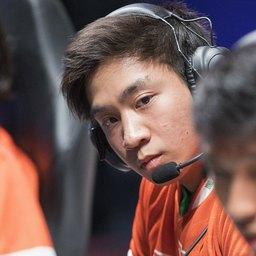
If your kid would spend every free hour on Fortnite, Roblox, Minecraft or whatever this month's obsession is, there are programs built for that kid, and most of them run during the school year. In fall you're choosing between five kinds: classes where kids build games, weekly online clubs inside Minecraft and Roblox, a school esports team, a library club, and coached teams and leagues. The right pick depends on whether your kid wants to build, hang out, compete, or get better with a team.
How do I decide which kind fits my kid?
Start with what your kid wants out of game time. Some want to make games. Some want to build worlds inside Minecraft or Roblox. Others want to be around other kids, playing freely. And then there's a different kid: the one who plays a lot, loves it deeply, and hasn't found anyone who takes it seriously with them yet.
The second filter is the kind of adult you're paying for. Many programs run with instructors or counselors whose job is to teach a lesson or keep the room calm. Fewer run with coaches who play the game at a high level and teach it. Those two look the same on a website. They are very different experiences for the kid.
A simple mapping:
- Wants to make games: build classes
- Wants to build worlds with other kids: online clubs
- Wants to represent their school: the school esports team
- Wants a social hour with other kids who game: a library club
- Plays a lot, loves it deeply, hasn't found their team yet: a coached team or league
What's open in fall 2026?
Build classes (learn to make games)
Kids build their own games with tools like Scratch, Roblox Studio, or Minecraft modding. It's structured like a class.
- CreatorCamp runs instructor-led online workshops for ages 5 to 13, with a Roblox obstacle-course workshop listed for November. Its page says $20 a month for unlimited workshops and supervised game nights.
- iD Tech offers live 1-on-1 online lessons for ages 7 to 19, 60 minutes each. A first “discovery” lesson is $49. The page doesn't list prices for lesson packs.
- Code Ninjas runs year-round programs at local centers for ages 5 to 14. Its site doesn't list prices, so ask your local center.
Best fit: kids who get curious about how games work and want to make their own.
Honest weakness: if your kid wants to play, building is a hard sell. Read the description carefully. “Game design” sometimes means a coding class with a gaming theme.
Online clubs (Minecraft and Roblox, with other kids)
A small group meets online once a week, inside the game, with an adult running it. Less instruction than a class. More building and playing together.
- Connected Camps runs weekly 90-minute clubs: Minecraft building and survival clubs and a Roblox club for ages 8 to 13, and a modded Minecraft club for ages 11 to 15. Its camps page says it isn't offering camps right now. Club prices aren't on the page.
- Outschool lists many independent teachers' clubs. The first five weekly Minecraft clubs we looked at cost $14 to $18 per class, met once a week for 50 or 90 minutes, and covered ages 8 to 17 between them.
Best fit: kids who already lose hours making things in sandbox games, and kids who want a low-pressure way to play with others.
Honest weakness: this is mostly playing side by side. Kids come away with a build and some friendly faces, and less often with teammates.
The school esports team
Some middle and high schools have an esports team that plays other schools, the way the soccer team does.
- PlayVS runs leagues that schools enroll in. The school signs up and pays the league fee, so the first step is asking the athletic director or a teacher whether your school has a team. Its site showed fall enrollment ending October 2. If your school isn't in, ask about spring.
- NASEF supports middle and high school esports clubs and says it's free to join.
Best fit: a kid in grades 6 to 12 who wants to play for their school, with classmates.
Honest weakness: it depends on your school having a team and an adult to run it.
Library clubs (the social hour)
The point is being in a room with other kids who love the same thing. Community and hanging out come first.
Your public library may run a gaming club. One example: the Murrieta Public Library in California hosts a gaming afternoon for teens 13 to 18 on the fourth Wednesday of every month. Check your own library's calendar.
Best fit: parents who want their kid out of the house and around other kids who game.
Honest weakness: availability is local, and it's a hangout. Nobody is there to teach the game.
Coached teams and leagues (in person, online, or hybrid)
A kid joins a small team, practices every week with a coach, and plays real matches with teammates. It's the model of a sports team.
In person:
- XP League runs youth esports for players ages 7 to 17, and you can try it for free. Use its location finder to see if one is near you.
- Valhallan runs arenas where kids ages 7 to 17 come in each week for coaching, training, and competition. A first visit is a free skills assessment.
Neither posts prices on its main page, so ask your local location.
Online and hybrid: this is the kind of program I run, so read this part knowing that. I started EKUZO because my 10-year-old self needed it. I loved playing games. I never had a coach, and I never had a consistent team I could learn and grow with.
EKUZO is a hybrid program: some of our teams meet in person at their school, and others play online from home. Season one starts in 2027: weekly practice with a coach, and matches with the same teammates all season. All EKUZO coaches are top 1% collegiate esports athletes or former professional players. The waitlist is open now, it's free to join, and it doesn't commit you to anything. We coach in League of Legends, and I wrote up why we chose League, and how we handle its toxicity.
Whichever program you look at, ask who the coach is and how far they went in the game.
Best fit: kids who are ready to take the thing they love a little more seriously, and kids who play a lot but always with strangers.
Honest weakness: season one doesn't start until 2027. If you need something this fall, pick from the sections above and join the waitlist for later. It's also one game, and a team game. If your kid's main thing is solo exploration or single-player games, this isn't the category for them.
What it costs, where a page says
| Program | What its page said in October 2026 |
|---|---|
| NASEF | Free to join |
| XP League | Free to try; prices not posted |
| Valhallan | Free skills assessment; prices not posted |
| Outschool weekly Minecraft clubs | $14 to $18 per class (five listings) |
| CreatorCamp online workshops | $20 a month |
| iD Tech 1-on-1 lessons | $49 first lesson; pack prices not posted |
How this guide is kept
We'd rather give you a short list we checked than a long one we didn't. Every program above is described from its own page. Prices and schedules change, so confirm on the provider's page before you plan around them. We re-check each month and change the date at the top only when something on the page changes.
If your kid would rather spend the season gaming, that's a starting point. The right program meets them where they already are and builds the community, the coach, and the challenge around it.



